
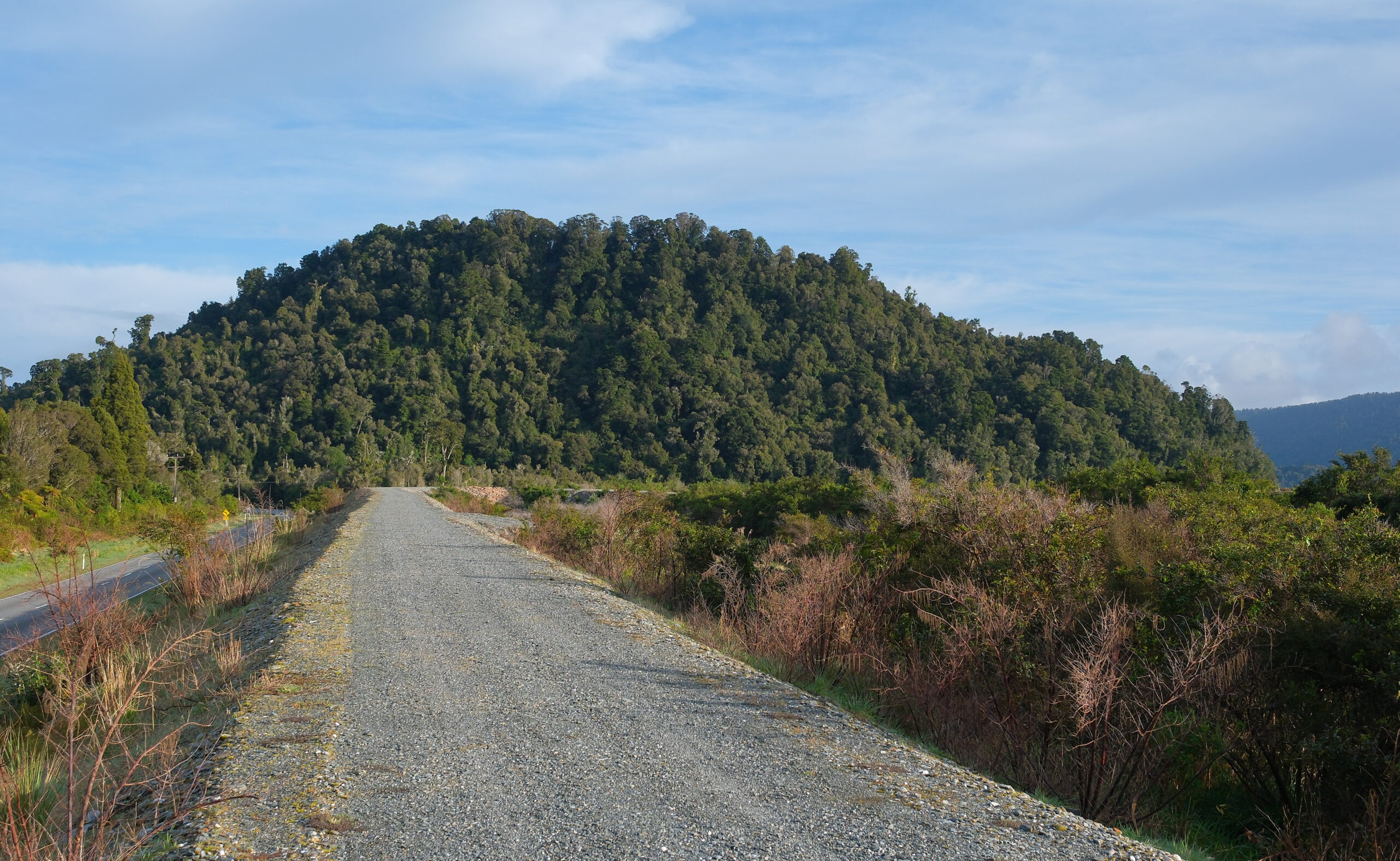
The Government marked completion of the Waipaoa Flood Control Scheme in Gisborne on 29 October. The Government says the work has strengthened protection for Gisborne City and 10,000 hectares of productive land, following the widening and raising of approximately 64 kilometres of stopbanks since 2019.
The announced total project cost is $35.1 million. The Government describes the scheme as designed for a one-in-100-year flood event. That wording describes a design basis; it should not be interpreted as a promise that flooding can occur only once in a century or that every future event can be contained.
Gisborne District Council’s project page separately lists rock-armouring work through June 2027. The Government’s completion announcement should therefore be distinguished from the remaining work in the council’s published programme.
For civil contractors, the milestone is an opportunity to look beyond the earthworks programme. A long linear asset has to be understandable to the people inspecting and maintaining it after the construction team leaves. A drawing that shows where work occurred is useful; a record that also identifies changes, access points and supporting inspection evidence is more useful again.
On comparable projects, contractors and asset owners can agree the handover structure early. Divide records into recognisable reaches, use consistent location references and retain the relationship between a drawing revision and the work it represents. Photographs need enough context to be found later. A close-up without a location or date may confirm that something was built while doing little to explain where it sits in the scheme.
The same discipline applies to departures from the original plan. Record what changed, who assessed it and which accepted document describes the finished arrangement. That allows the asset owner to distinguish an intentional design change from a gap in the file. It also reduces the chance of a future maintenance team treating an unfamiliar feature as a construction mistake.
These are general lessons for asset delivery, rather than claims about the Waipaoa project’s own handover arrangements. The announcement describes the upgrade milestone, while the council’s programme identifies further work; neither publishes every inspection, maintenance or as-built record behind it.
A completed flood asset still has a working life ahead. Its continuing value depends on more than the day it is officially opened. Contractors can help by leaving evidence that is navigable, location-specific and suitable for the people who must inspect the structure in ordinary weather as well as after a significant event.