
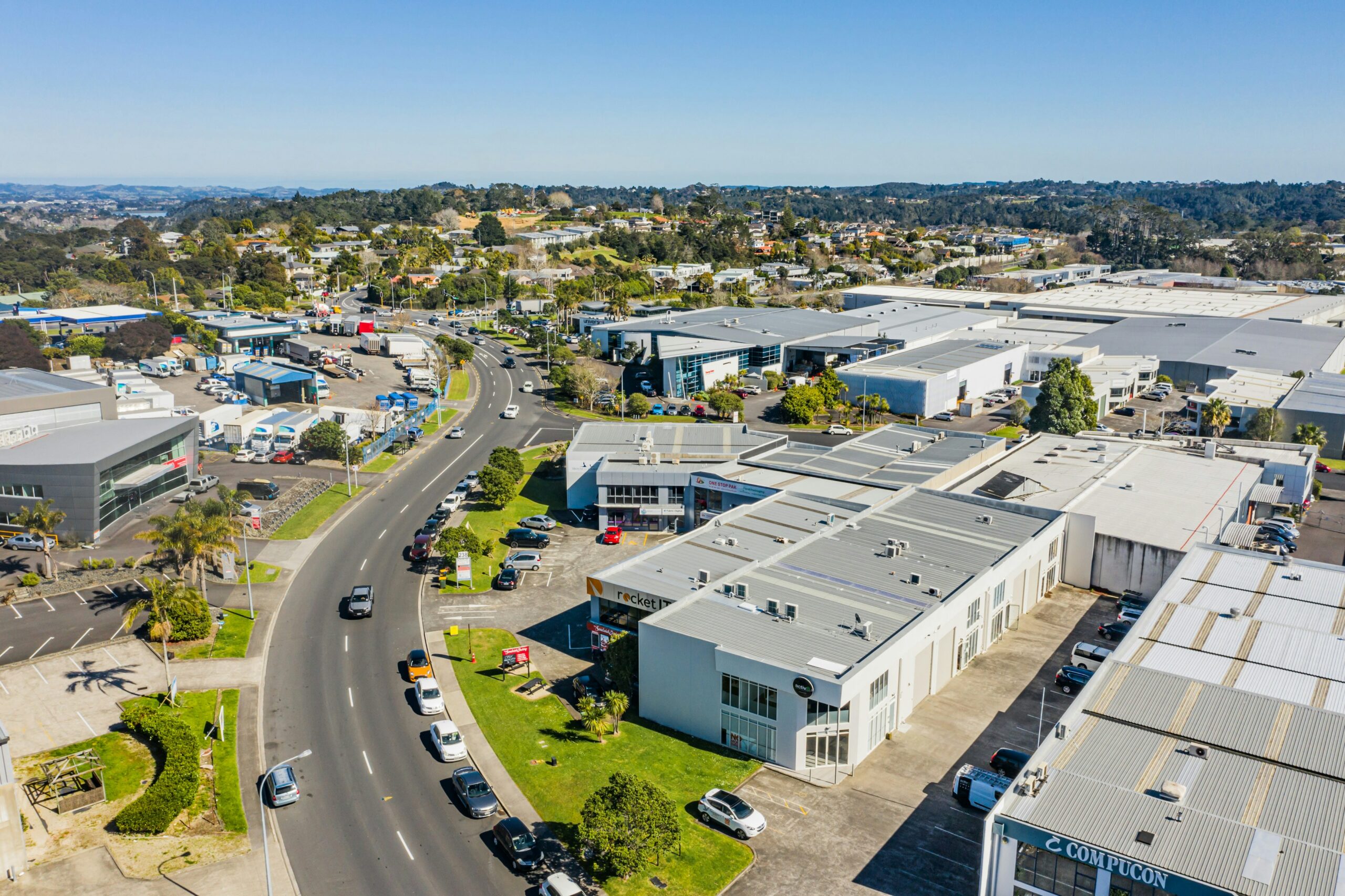
A growing trade business should compare the full operating commitment before taking a larger yard or workshop.
The yard is crowded, the office has become a storage room and a larger workshop looks like an obvious next step. The advertised rent is within reach. But the cost of occupying the premises extends beyond that figure.
Before committing, compare the proposed space with the way the business actually works. A larger building can solve one constraint while creating another through access, location or operating conditions.
Test the premises against the job
Consider vehicle movements, deliveries, storage, power requirements, staff facilities and the activities the business intends to carry out. Confirm permitted use and relevant approvals with the appropriate professionals and authorities. A previous occupier doing similar work is not a substitute for checking the proposed arrangement.
Business.govt.nz’s premises guidance highlights matters such as outgoings, maintenance, renewal options and use restrictions. The actual lease needs professional review; standard-looking wording can still allocate substantial responsibilities.
Ask for a written breakdown of the expected costs. Include fit-out, moving, service connections, insurance arrangements and any changes needed before operations can begin. Distinguish one-off costs from recurring commitments and from uncertain costs that need investigation.
Consider the end before the beginning
Have the renewal, termination and reinstatement provisions explained before signing. A fit-out that is useful today may create work at the end of the tenancy. Record the agreed condition and responsibilities through the proper process rather than relying on an informal assurance during a viewing.
Test the cash-flow effect during the move. There may be a period when the business pays for two locations while productivity is disrupted. The team still needs to serve customers during that transition.
Compare the premises with a smaller operational improvement at the current site, if that is feasible. Better storage or a different workflow may address part of the constraint; alternatively, a documented space problem may make the case for moving stronger.
The decision should explain what the new premises enable and what the business is committing to in return. A good workshop is more than additional floor area. It is a place that suits the work, on terms the business understands and can sustain.