
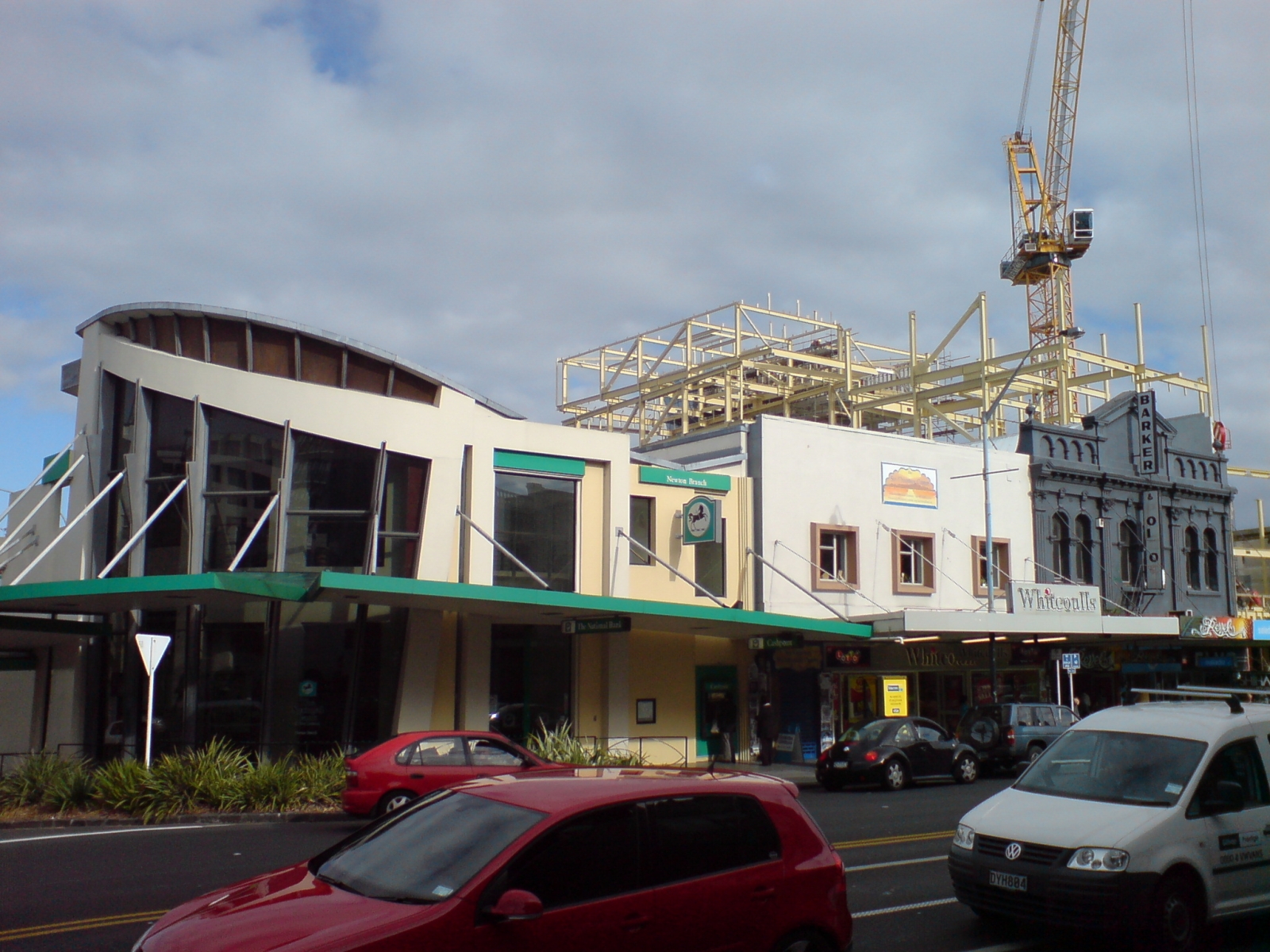
An induction given on the first day cannot describe every condition a worker will meet weeks later.
A subcontractor returns to a familiar job and walks towards the usual entrance. Since the last visit, fencing has moved, materials occupy the old route and mobile plant is operating nearby. The project is the same; the site is not.
That is why a first-day induction needs a practical way to communicate later changes. Repeating an entire presentation is not always the answer. People need to understand what is different and what they must do now.
Identify the change that matters
A useful update names the affected area, the changed activity and the current arrangement. It might concern access, deliveries, work above or below another crew, or the location of emergency facilities. Use information that reflects the actual site rather than a generic checklist copied from another project.
WorkSafe identifies construction risks including mobile plant, working at height and dust. Its traffic guidance also stresses consulting workers and coordinating shared risks. A short update can support that coordination when it reaches the right people at the right time.
Confirm who will brief returning workers and visiting crews. Do not assume a supervisor who received an email has passed it on, or that a sign at the office reaches someone entering elsewhere.
Ask people to explain the arrangement
A signature can record attendance, but it does not establish understanding. Invite workers to point out the route, explain the change or raise a conflict with their task. Make room for language and communication needs without embarrassing anyone for asking a question.
Keep a simple record of the update, its date and who received it. Remove or clearly supersede information that is no longer current. Two contradictory maps can be worse than one missing map because each person may confidently follow a different version.
The process should also work in reverse. Workers need a clear way to report a change or an arrangement that does not work in practice. Their observations can reveal a problem before the next planned briefing.
The aim is not to make every morning longer. It is to make the important changes visible before people start work. On an evolving construction site, that small discipline helps yesterday’s familiarity avoid becoming today’s assumption.