
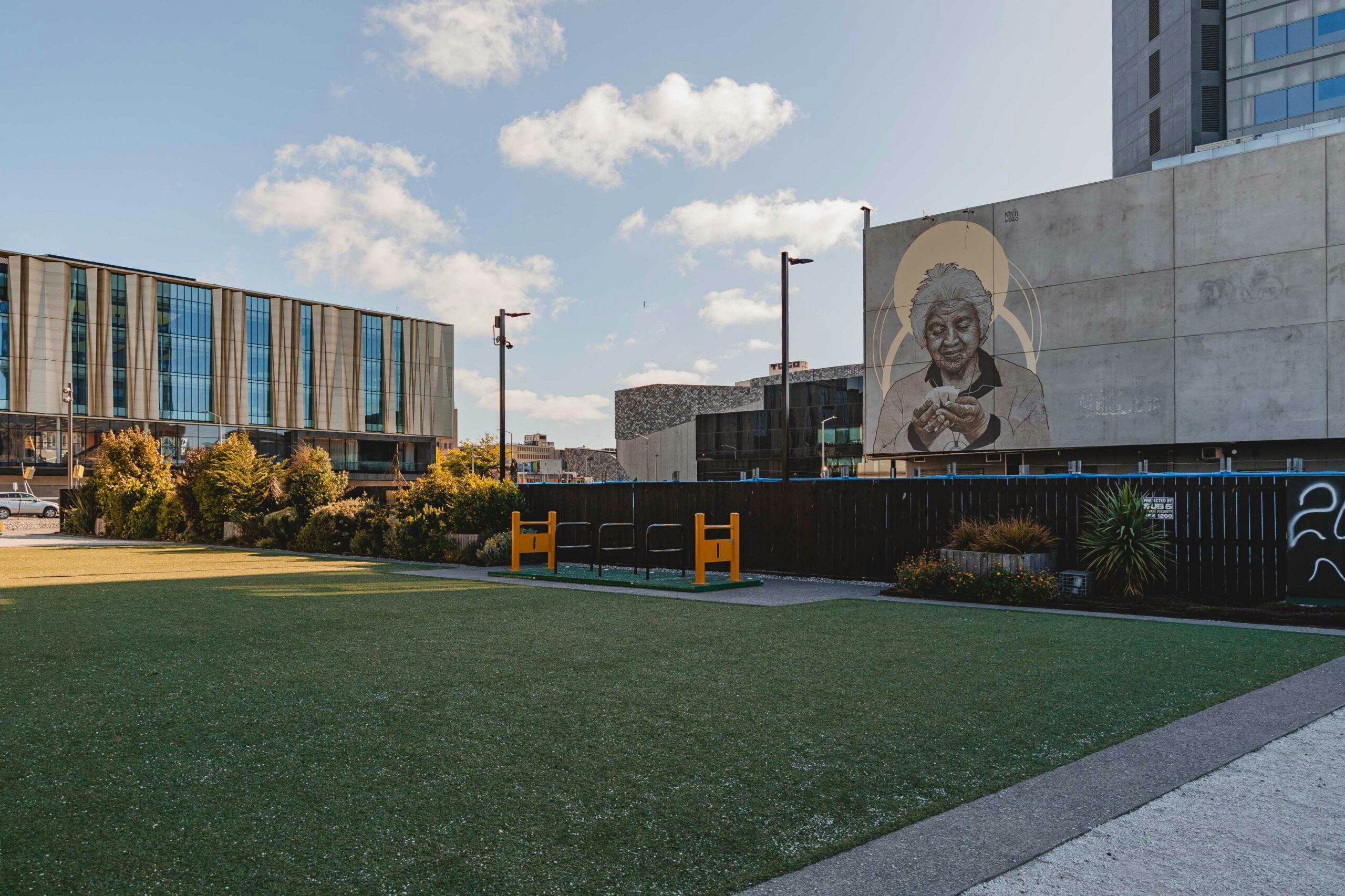
An undeveloped site can offer useful space while a longer-term project takes shape. A temporary garden, event area or other interim use may bring activity to an otherwise empty block. The arrangement works best when temporary describes the duration, not the quality of the planning.
Define the arrangement before the fitout
Agree what the site will be used for, who operates it and who can authorise changes. Confirm the permissions, insurance and technical advice relevant to the proposed activity. A temporary label does not settle those questions. Record the available services, access arrangements and any areas excluded from use. Be clear about what visitors are being invited to do and what the operator can actually support.
Design for removal as well as installation
Consider how structures, surfaces, planting and equipment will be removed or reused when the interim period ends. Keep responsibility for disconnection and reinstatement explicit. A low initial price can be misleading if the cost of leaving the site ready for its next stage is unknown. Ask suppliers about realistic reuse options and retain the information needed to dismantle suitable components safely.
Set the trigger for departure
An end date is helpful, but the project may also need a notice period and an agreed response to an earlier construction start. Establish how users will be informed and who closes out outstanding maintenance or damage. Keep a record of the site’s starting condition and agreed handback standard. Interim uses can be positive contributions to a neighbourhood. A clear exit plan helps preserve that benefit when the permanent development is ready to proceed.