
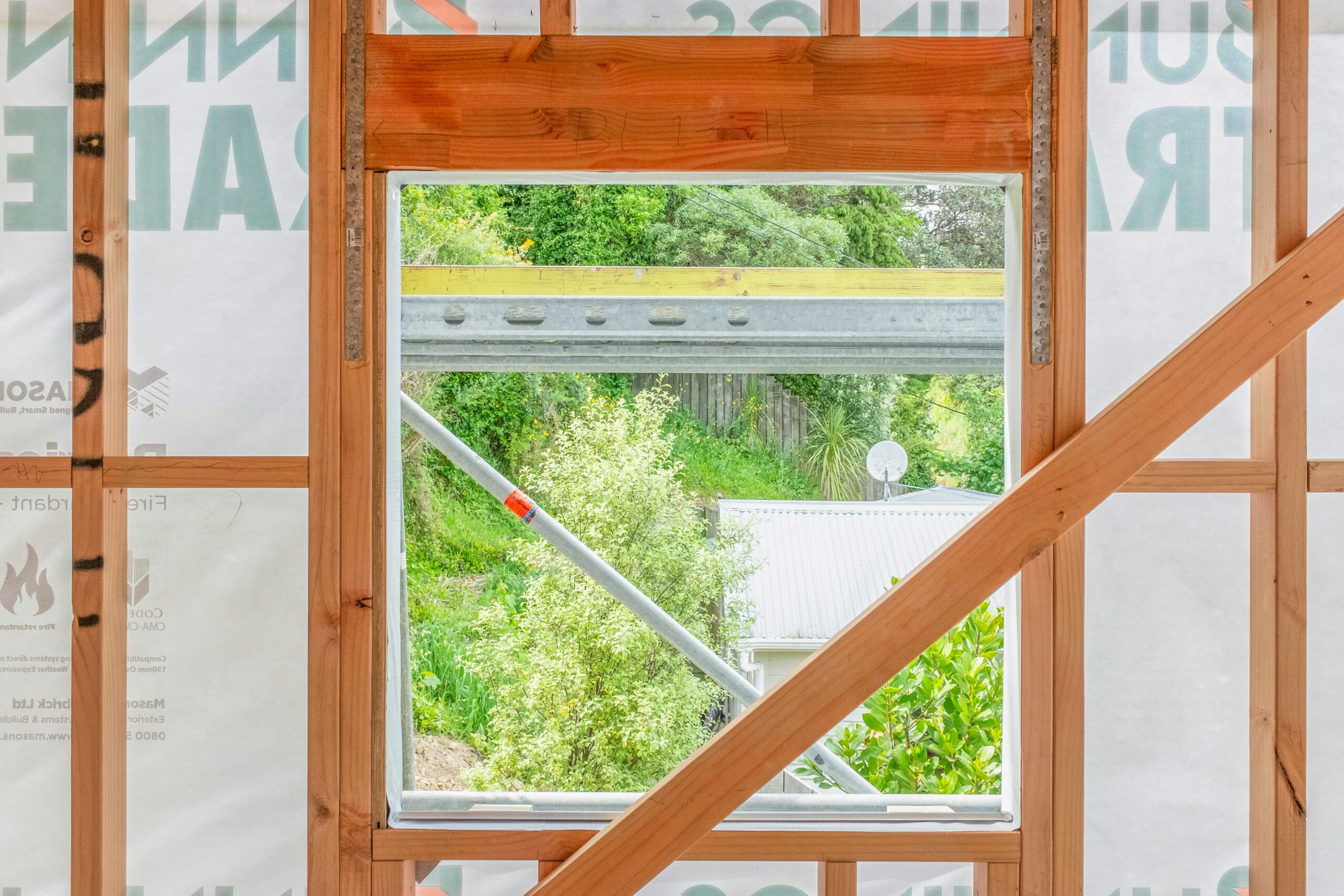
An item can be manufactured correctly and still fail to fit the space intended for it. The difficulty often sits between packages: the opening has its own tolerance, the manufactured item has another and the surrounding finishes need space as well. Comparing only the nominal dimensions can hide the combined problem.
The useful discussion happens before the item is made. Identify the dimensions that govern the interface and ask the relevant designers and suppliers what allowances their work needs. Do not invent a universal gap or tolerance. The appropriate values depend on the specific system, design and installation method.
Use a common reference point. If one trade measures from the structural face and another assumes the finished face, a neatly recorded number can still describe a different space. Mark the datum, identify which surfaces are included and make the drawing reference explicit. A sketch with clear references is often more valuable than an unexplained measurement in a message.
Site verification should also have a date and a condition. An opening measured before linings, floor finishes or protective treatments may not represent the final available space. Record what was in place when the dimensions were taken and who will confirm readiness for fabrication. Where the work is still moving, describe the figure as preliminary.
The programme needs time for this check. A deadline that sends a supplier into manufacture before critical dimensions can be verified transfers uncertainty into an expensive activity. If an early release is necessary, make the assumptions visible and have the responsible parties assess them. Silence does not make the dimensions reliable.
When a mismatch is found, resist the quickest improvised adjustment. Cutting, packing or moving a component can affect its intended performance and the adjoining work. Put the actual measurements and proposed response in front of the appropriate designer or supplier. Resolve the whole interface, rather than making one package fit at another package’s expense.
At close-out, retain the accepted dimension or detail with the relevant fabrication record. That gives a later replacement or repair a better starting point. The practical goal is modest: ensure the people making each part understand the same space, the same stage of construction and the same allowances before the parts arrive together on site.