
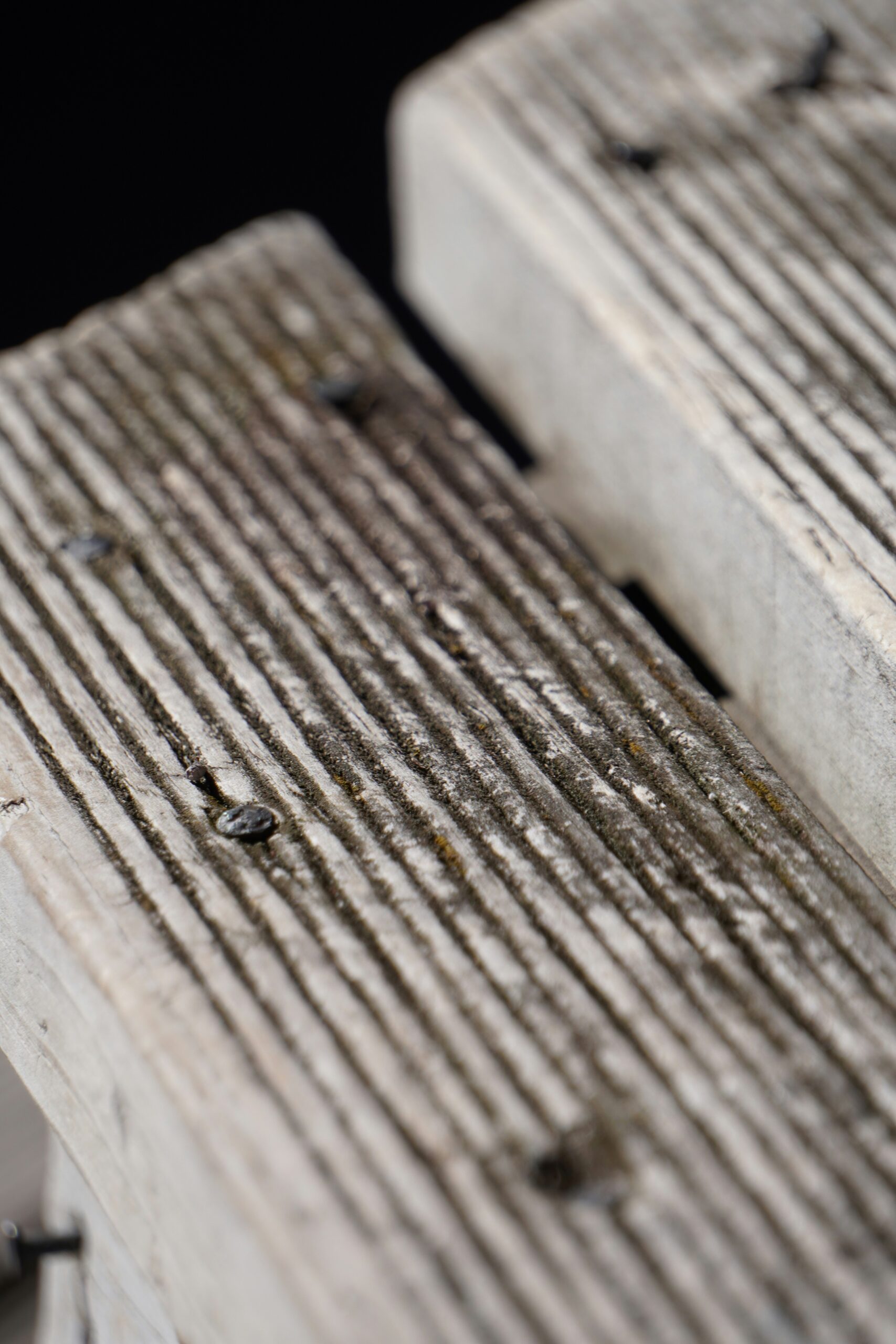
A reused product can bring character and value when its condition and suitability are properly established.
A stack of reclaimed timber or a set of salvaged fittings can give a project a distinctive result. The appeal is easy to understand. The harder question is whether those particular items are suitable for the proposed use and can be supported by the information the project requires.
Treat reclaimed materials as a procurement decision, with the same clarity about purpose that would apply to a new product.
Begin with the intended use
Ask what role the material will play and what performance it needs to provide. Decorative use and structural use are different propositions. Age, appearance or a seller’s description is not enough to establish suitability for a critical building function.
Have the designer and appropriate specialists assess the proposal. Identify the evidence, testing or inspection needed, and confirm any consent implications through the proper process. Do not assume that a product’s previous use establishes compliance in a new building.
BRANZ’s Level guidance includes reuse potential within material selection, alongside performance and life-cycle considerations. The useful lesson for procurement is to consider both the opportunity and the practical requirements.
Price the work around the material
Allow for inspection, sorting, preparation, storage and installation where required. An inexpensive purchase may still need substantial work before it can be used. Conversely, a carefully selected product with reliable information may be a straightforward part of the design.
Make the accepted condition clear to the client. Agree what variation in appearance is intended and what would count as a defect. Photographs and a labelled sample can help communicate the agreed finish without substituting for technical assessment.
Keep identifying information with the material throughout the project. If only part of a batch has been assessed or accepted, make that distinction visible. Do not let approved and unassessed items become indistinguishable in storage.
Also confirm enough suitable material is available. A design that depends on a unique reclaimed batch needs a plan for shortages or damage that does not rely on finding an identical replacement later.
The strongest reuse story is one the finished building can support: a suitable material, understood condition, an agreed appearance and a clear record. Character is an advantage when it sits alongside a properly considered specification.