
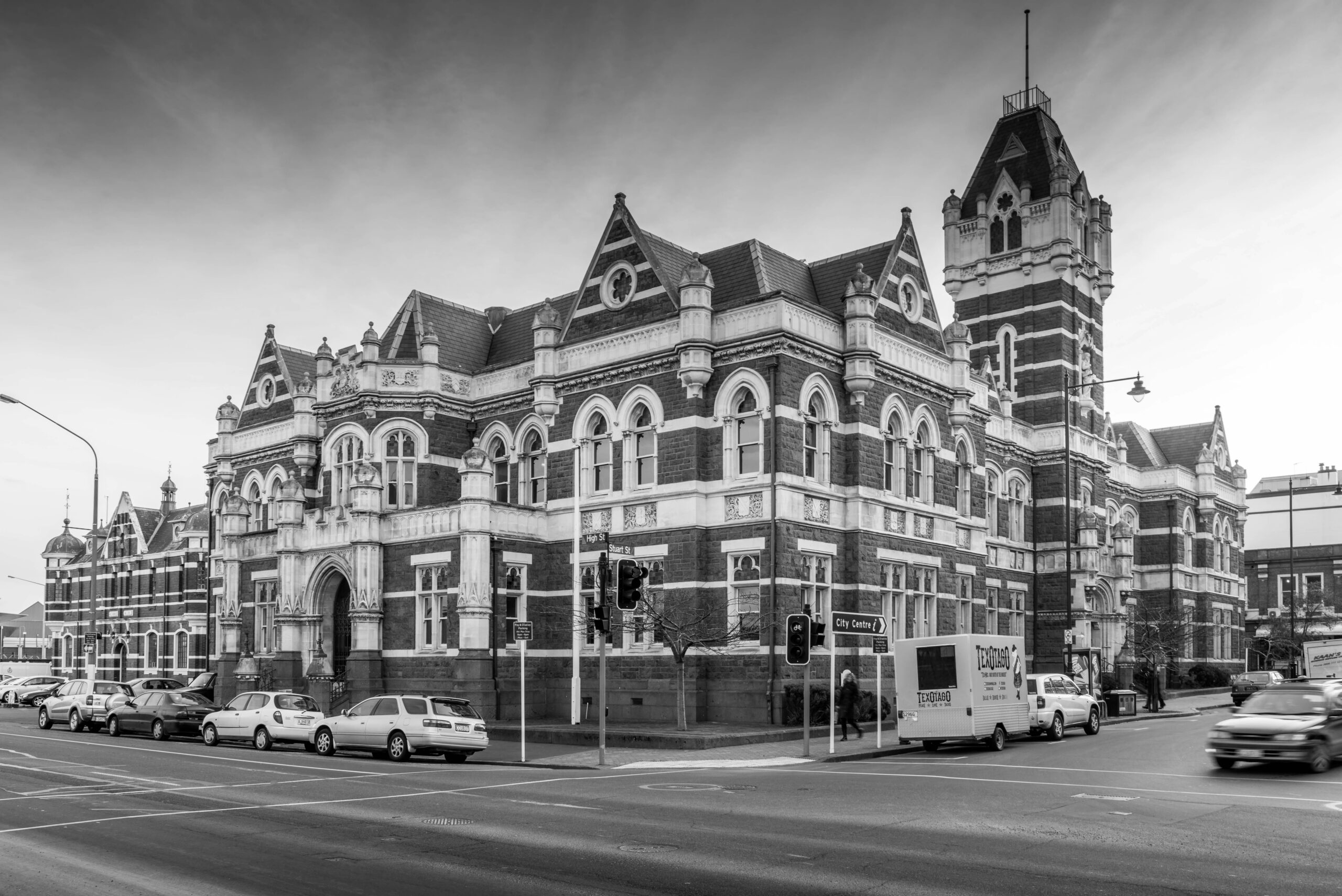
Heritage repairs rarely begin with the same certainty as a clean new-build site. Existing materials may conceal earlier alterations, and the full extent of a repair may not be visible before work starts. The tender process should expose those uncertainties rather than reward the bidder who says least about them.
Give every bidder the same starting point
Issue the available condition information, scope, photographs and access limitations together. Describe the intended repair approach and identify decisions that need specialist input. Make questions and clarifications available consistently so proposals can be compared on the same basis. If opening-up or sampling is required, have the appropriate team establish how that investigation will be undertaken and authorised.
Separate known repairs from contingent work
Ask tenderers to state assumptions and exclusions plainly. Where quantities or conditions remain uncertain, agree how additional work would be assessed and valued rather than relying on a broad promise to sort it out later. Include the time needed for review of findings and approval of repair details. A pause for a considered decision may be a planned part of the programme, not evidence that the contractor is falling behind.
Protect the decision record
Record what was found, what was agreed and why the chosen repair was appropriate. Keep that information with the building’s records for future owners and maintenance teams. Confirm the relevant planning, heritage and building requirements with the appropriate advisers and authorities; the tender document should not assume that one approval settles every issue. A useful tender gives the client a realistic basis for choosing a team. Price matters, but so does the bidder’s understanding of uncertainty, communication and the care required around existing fabric.