
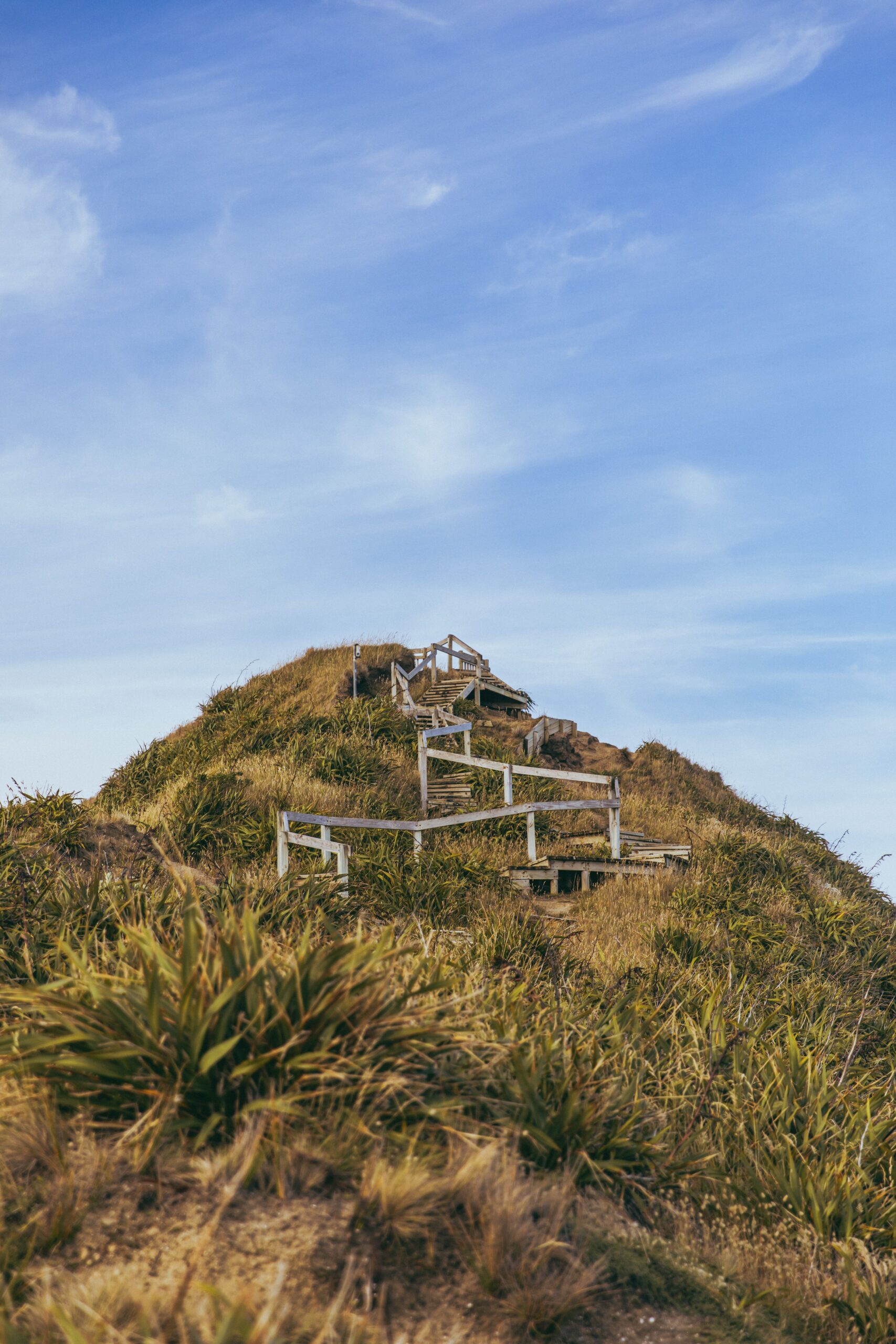
An outdoor staircase is part of a journey, not an isolated item. The approach, landing, surrounding vegetation and what happens after rain all influence how that journey works. A maintenance review should follow the route from end to end.
Record the conditions people encounter
Ask the responsible person to arrange an appropriate inspection and record observations at specific locations. Distinguish a loose component, a surface concern or an obscured route from a conclusion about structural safety. If a potential safety issue is identified, seek competent advice and appropriate controls rather than waiting for a routine maintenance date. Do not use a good-looking photograph as evidence that the route is sound.
Match the response to the cause
Cleaning, clearing vegetation and repairing an element are different tasks. The proposed method needs to suit the material, environment and problem identified. Ask how drainage and surrounding ground conditions interact with the route, and whether specialist input is needed. Repeatedly treating a visible symptom without understanding its cause can turn the same defect into an annual job.
Give future checks a useful baseline
Keep the location, date, findings and completed work together. Photographs can help the next reviewer compare the same point, provided they accompany a clear record. Identify who will respond to reported changes between planned inspections. For public or shared routes, include a dependable way for users to report a concern. The value of a maintenance plan is not the length of its checklist. It is that the right person can identify what needs attention, arrange a suitable response and confirm what has been done across the complete route.