
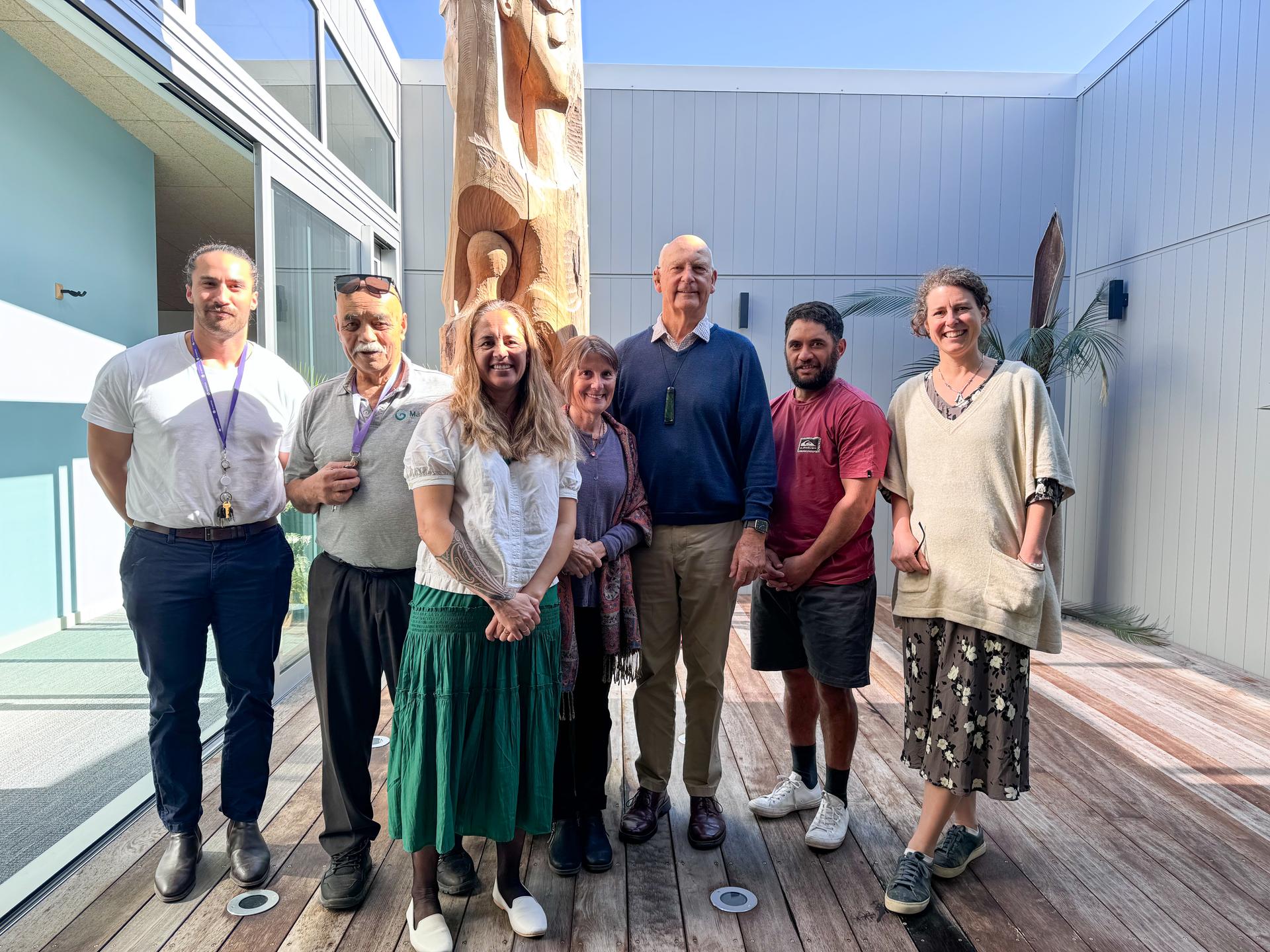
A new three-storey Mātai Innovation Centre in Gisborne is to be supported by a $20 million Regional Infrastructure Fund loan. The Government announced the funding on 29 October, describing a $28.4 million construction and fitout project adjacent to the institute’s existing imaging research building.
The published scope includes primary healthcare research facilities, specialist clinics, a day procedure unit, education spaces, supporting infrastructure and parking. The loan is financing support for the project. It should not be described as a grant or as evidence that the new centre is already operating.
For the construction industry, the interesting feature is the mix of specialised and everyday building functions. Education rooms, clinical activity and supporting services may share a structure while needing different operating arrangements. The right way to coordinate them is through the project’s specialist design and user brief, rather than assuming that one generic fitout detail will suit every room.
On comparable work, a room-data schedule can make those distinctions visible. It can identify the purpose of each space, the relevant design references and the decisions that still need to be made. Equipment dimensions, access, service connections and maintenance requirements then have a recognised place in the coordination process. The schedule supports specialist decisions; it does not replace them.
Changes deserve particular care. Moving a piece of equipment can affect more than the joinery around it. Before altering a layout, identify which designers and operators need to assess the proposal and which accepted records must change. A request made late in the programme is still a design question, even if the physical move appears small.
The same care extends to working near an existing facility. Site access, construction boundaries and service interruptions need agreed arrangements with the operator. Nothing in the funding release establishes the detailed staging or operating controls for Mātai, so suppliers should obtain project-specific instructions rather than inferring them from the announced scope.
The news adds a defined specialist-building proposal to the Tairāwhiti pipeline. For interested firms, the next step is to establish the procurement route and the capability required by a particular package. The broader lesson is to let the building’s intended use drive coordination early, while there is still room to resolve interfaces before work is fabricated or closed in.