
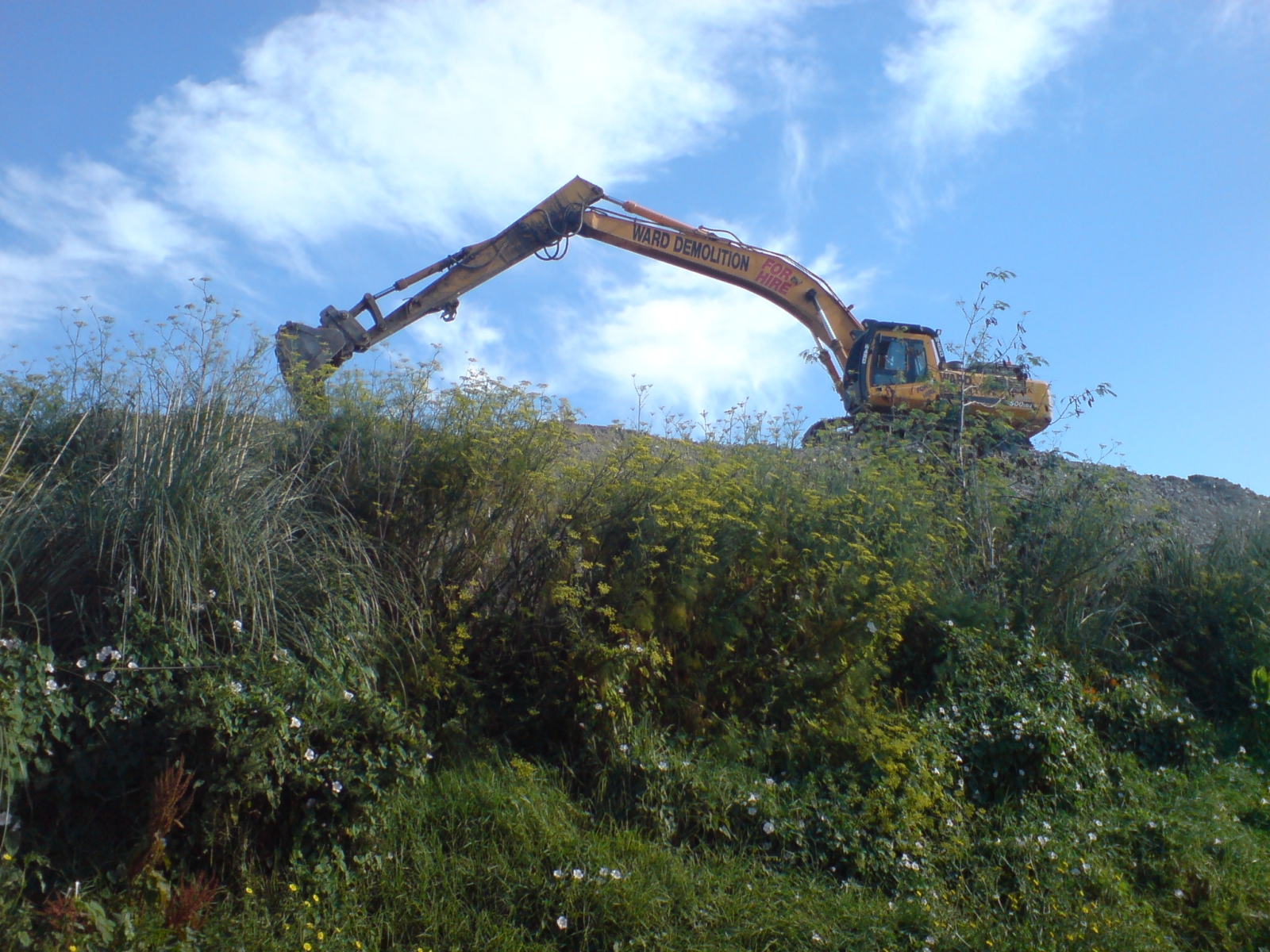
The decision is easier to assess when the machine’s real workload comes before its purchase price.
A digger parked in the yard is available whenever the business needs it. That convenience has value, but it is not the same as earning its keep. For a small contractor, the first ownership question is how often the machine will do useful, billable work.
Begin with completed jobs and confirmed forward work. Separate machine hours from days spent waiting for access, another trade or a decision. Owning equipment does not remove those delays.
Build a complete comparison
For ownership, consider the purchase and finance arrangement, servicing, repairs, insurance, transport, storage and eventual disposal. For hire, obtain actual terms covering delivery, collection, operating-hour limits, attachments, damage responsibilities and stand-down arrangements.
Use the same type of job and time period in both columns. Comparing a bare hire rate with a fully equipped owned machine, or ignoring transport in one option, produces a misleading result.
Business.govt.nz’s asset guidance emphasises keeping useful records of business equipment. Those records can also improve the next hire-or-buy decision: hours, downtime and maintenance history are more reliable than remembering that the machine “seemed busy”.
Test the quieter workload
An ownership case built on near-continuous use may be vulnerable to one postponed project. Rework it with fewer productive hours, without inventing a universal break-even threshold. The appropriate threshold depends on the machine, work and costs involved.
Consider suitability as well as utilisation. A machine that is excellent for regular landscaping work might not suit the next restricted-access job. Hiring a different unit can be a better operational choice than forcing owned equipment into every task.
Before committing, ask who will operate, maintain and transport it, and whether the business has the competence and arrangements required for those responsibilities. Equipment finance cannot solve an operational capability gap.
The final comparison should explain the trade-off in plain language: what ownership makes easier, what it costs even when work slows, and which jobs still require hired equipment. That is a stronger basis for a decision than either pride in owning plant or a blanket belief that hiring is always cheaper.