
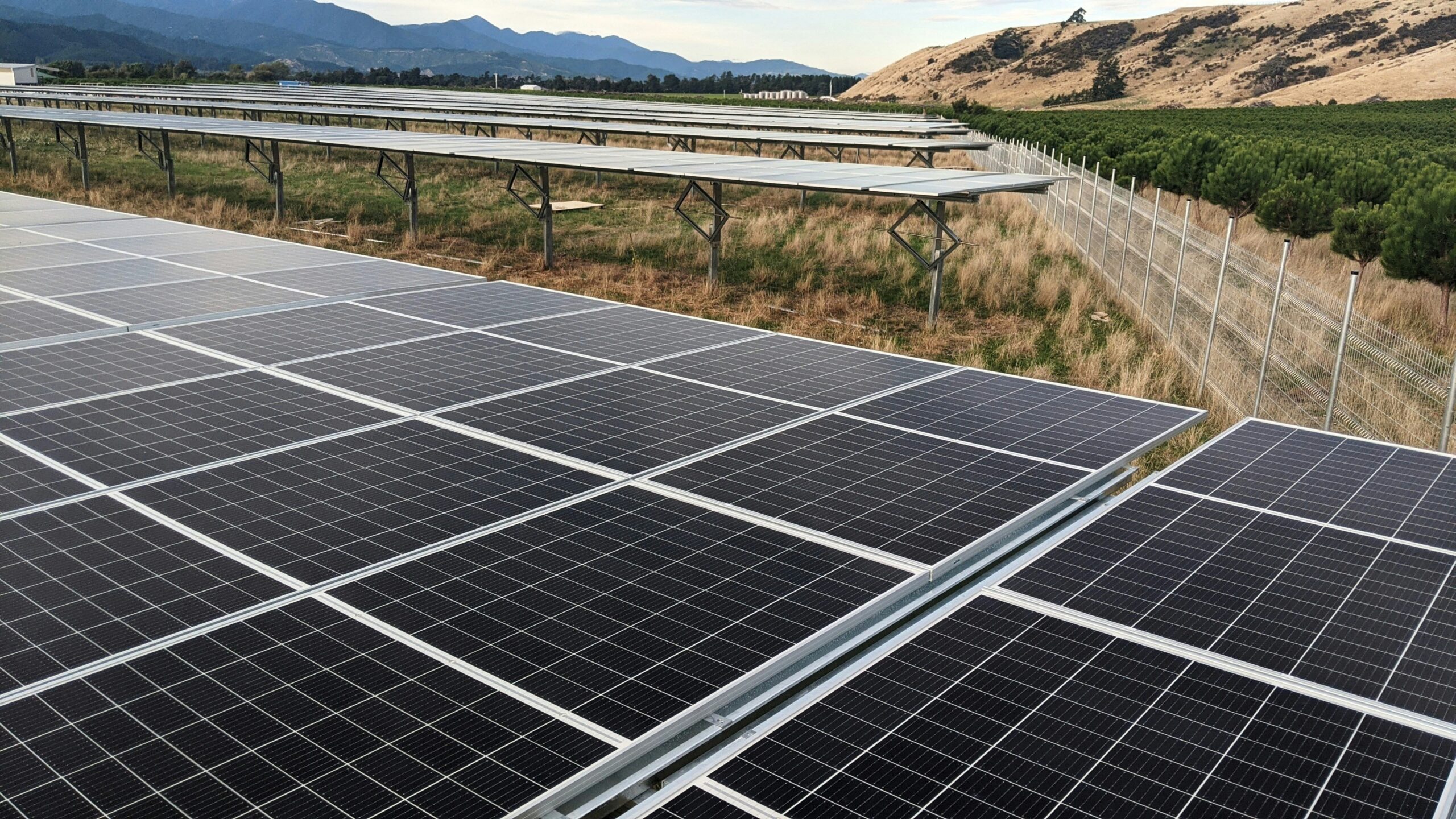
Community facilities in the Far North are to receive solar power, battery storage and back-up generators through a Māori-led initiative supported by a $1.11 million Regional Infrastructure Fund grant. The Government announced the support on 1 November and says the programme will be delivered through Tū Mai Rā Energy.
The stated purpose is to help maintain essential services when severe weather disrupts power and road access. The announcement connects everyday renewable-energy use with continuity during an outage. It does not publish a final equipment schedule or establish that every supported facility can operate every normal load during an emergency.
For builders and building-services teams, that distinction belongs in the brief. A building that has solar panels is not automatically a building with usable back-up power in a network outage. The intended operation depends on a properly designed and installed system. Electrical design, switching and protection need to remain with appropriately competent and authorised people.
The useful conversation for the wider project team starts with function. Ask the facility’s operator which activities must continue, who will use the building and what operating period the resilience plan needs to consider. Lighting, communications, water-related equipment and other services should be identified specifically, rather than bundled into a vague promise to keep the building running.
That operational brief helps the specialists ask the right technical questions. It also helps the builder coordinate equipment space, access, mounting arrangements and the path for eventual maintenance or replacement. These are general coordination considerations, not installation instructions or specifications for the funded sites.
Documentation needs to support the people who will use the facility under pressure. The handover should distinguish ordinary operation from emergency operation, identify authorised support and explain where the accepted operating instructions are kept. A useful system is one whose responsibilities are understood after the installers have left.
The grant announcement is a timely reminder that resilience is a building function to define, not a label to attach to a product. Its practical value comes from connecting a community’s needs to the design, installation, training and ongoing care of the equipment. The project team should be able to explain that connection without promising a level of performance the accepted design has not established.