
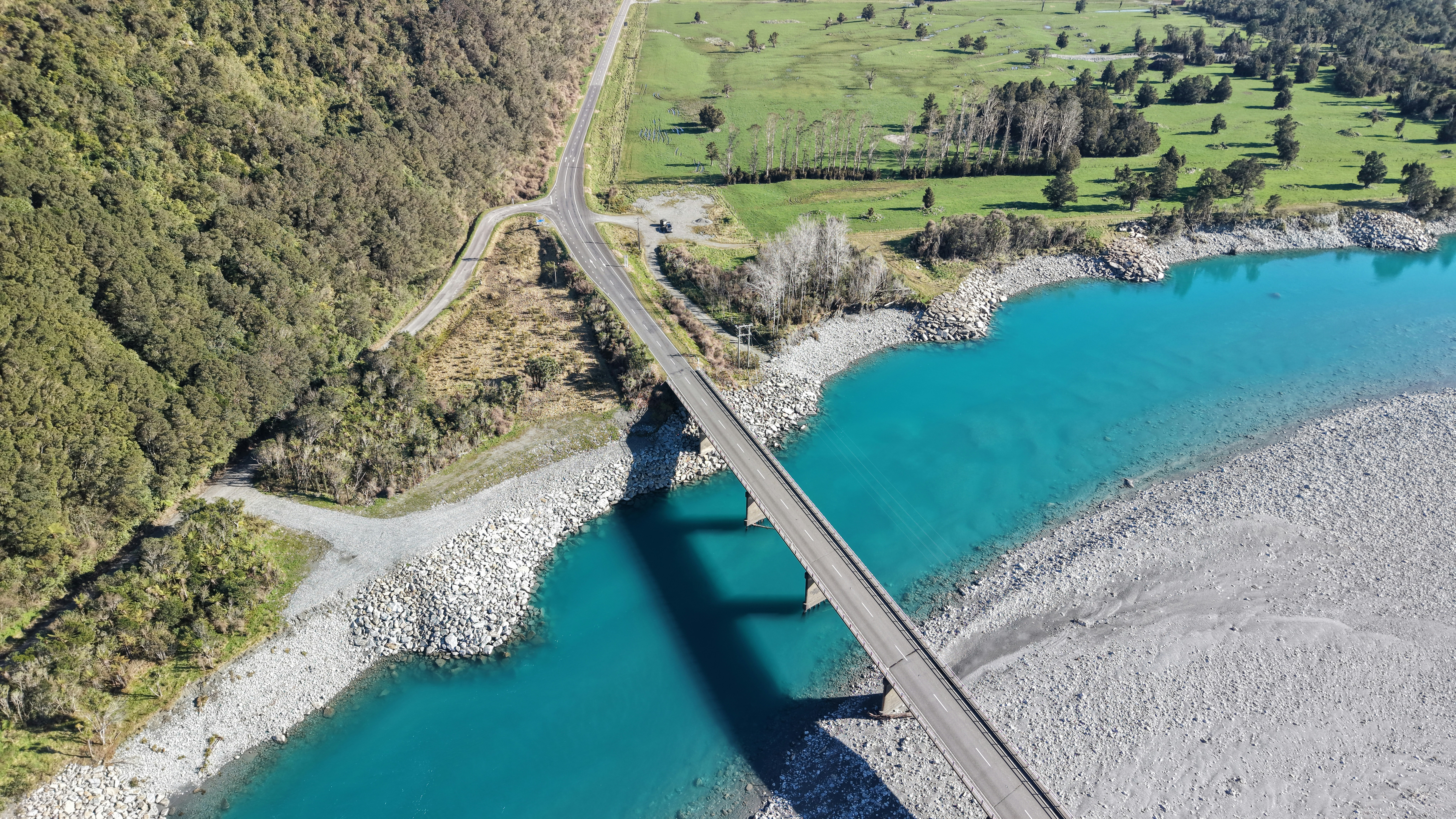
A site may have enough room for a truck while the route leading to it does not suit the proposed load. For rural projects, the delivery conversation needs to start with the complete journey. The last narrow bridge or constrained approach can change the vehicle, load size and cost.
Give the carrier a route to assess
Share the delivery location and known constraints early, including private access and the final approach. Ask the transport provider to confirm suitability for the proposed vehicle and load. An ordinary car navigation route is not a heavy-vehicle approval. NZTA explains that posted bridges can carry enforceable weight or speed restrictions, and that restrictions may change. Current information matters more than what a driver remembers from an earlier job.
Compare the practical alternatives
If the intended delivery is unsuitable, discuss options with the carrier and supplier before materials are dispatched. A different vehicle, split load or alternative approved route may affect cost and programme. Record who is checking permissions and restrictions, and who will confirm the final arrangement. Do not leave the driver to negotiate an improvised transfer point on arrival.
Make the booking specific
Include the agreed delivery arrangement in the order, together with contact details and a process for changes. Reconfirm relevant conditions close to dispatch, particularly if weather, roadworks or access arrangements have changed. Keep the site team informed so storage space and unloading resources match what is arriving. Avoid attaching a generic map screenshot to an otherwise precise order and assuming that completes the job. Route planning is part of procuring a deliverable product: the material must reach the project using an arrangement that the transport provider has properly assessed.