
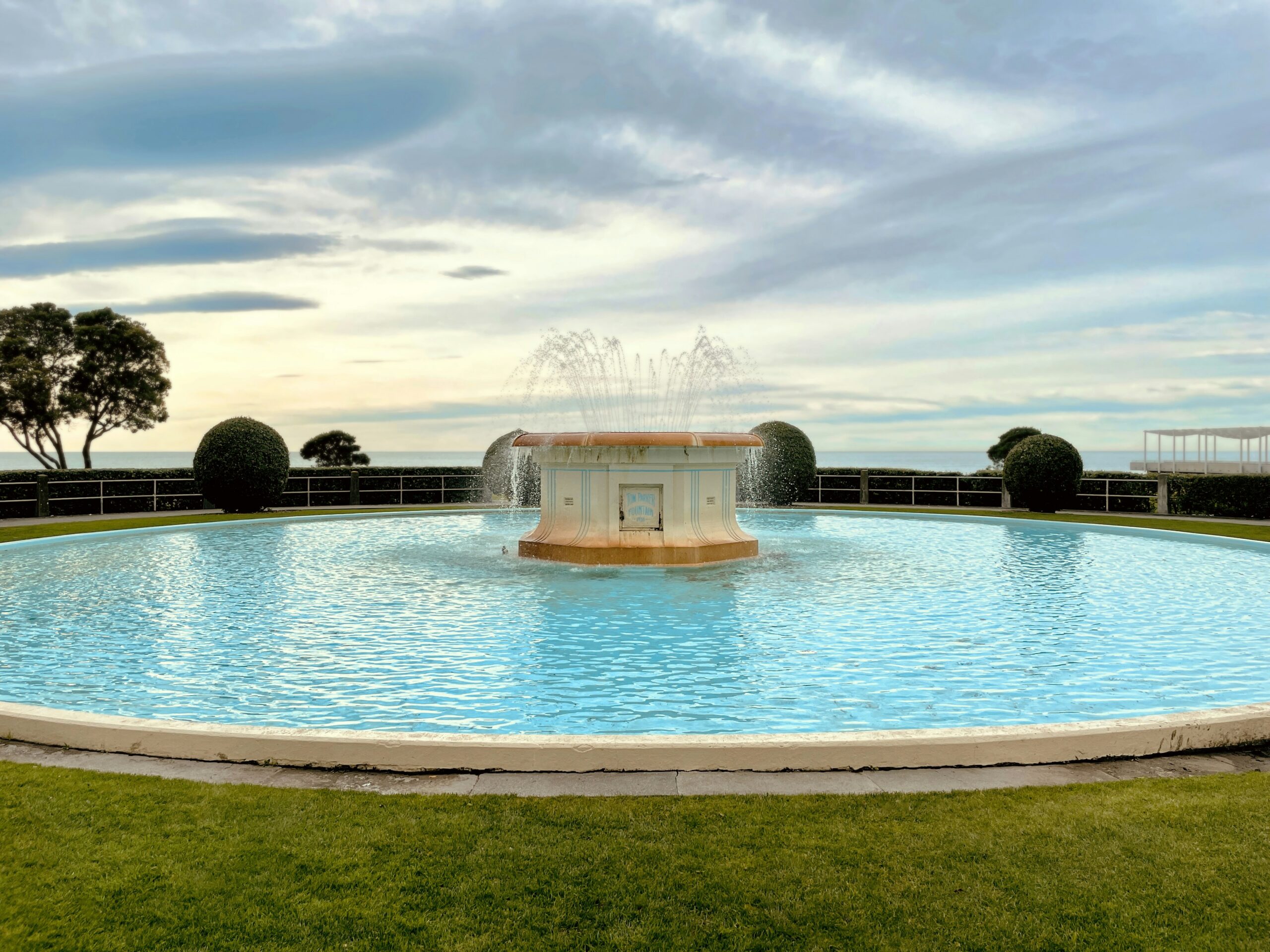
A water feature can bring movement and identity to a public space. The design conversation often centres on its appearance when everything is working. A more complete brief also describes the ordinary Tuesday when a filter needs attention, a component fails or the feature is switched off.
Name the future operator
Establish who will inspect, clean, service and manage the system. Invite that person or team into the design discussion early. Ask the designer and specialist supplier to describe the operating requirements, including water management, controls, access and the training needed. Those details should inform the budget rather than appear for the first time in a handover folder.
Review the off condition
Look at the space with the water stopped as well as running. Consider how visitors will understand and move around it, and how the area will be managed during maintenance. Have the appropriate specialists resolve safety, accessibility, electrical and water-quality matters for the particular installation. A pleasant sketch cannot establish that those issues have been addressed.
Make replacement practical
Ask which components are likely to need servicing or replacement, how they can be reached and whether essential information will remain available. Record equipment details and keep the final drawings aligned with what was installed. Include realistic operating and maintenance allowances in the client’s decision, together with a clear process for reporting problems. If the owner cannot support the proposed maintenance approach, that is a reason to revisit the design before construction. A successful feature should be valued for the experience it creates and manageable for the people responsible for keeping that experience reliable.