
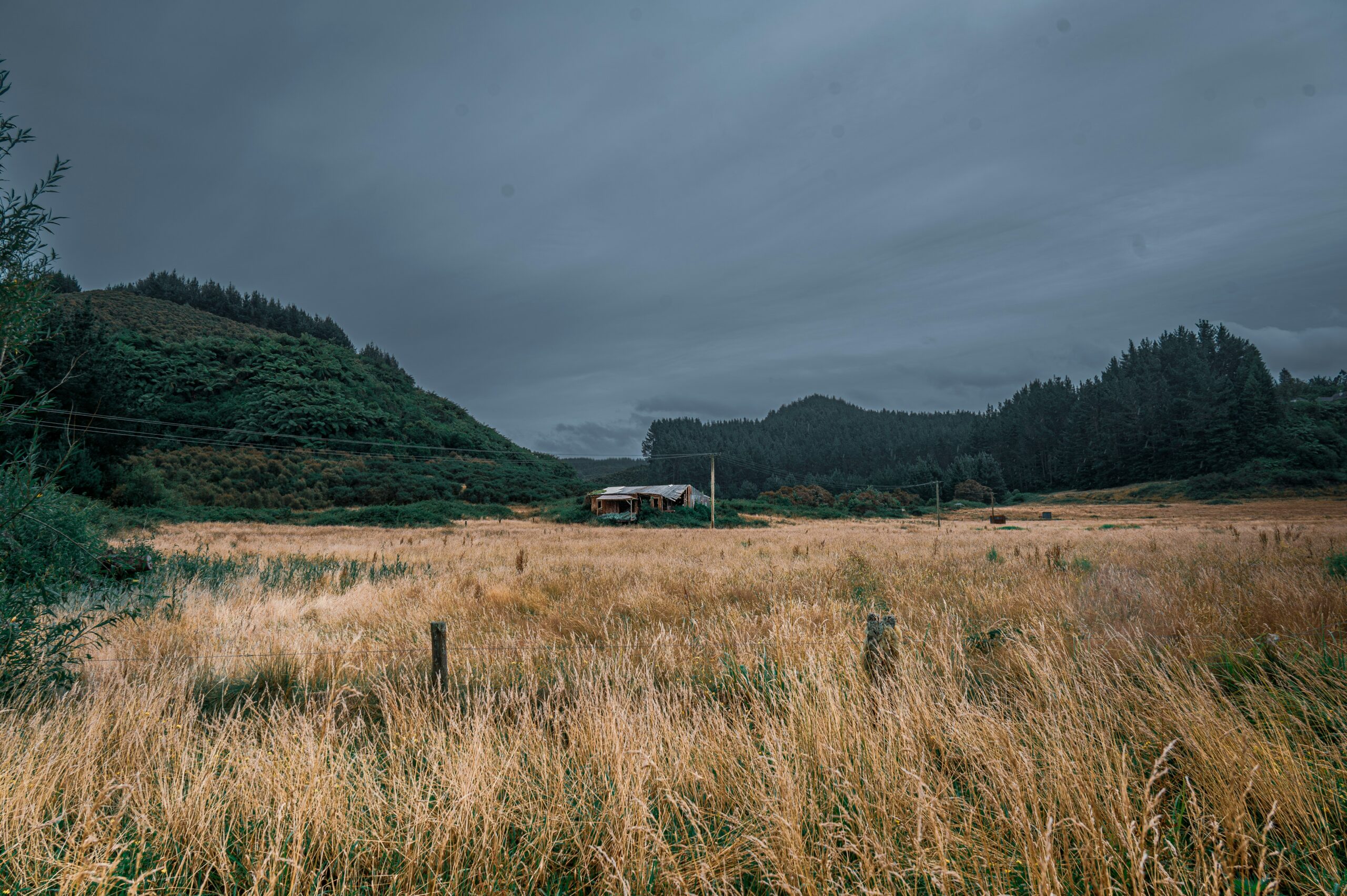
An empty building can suggest all sorts of possibilities. A workshop, a home or a small business may seem easy to picture inside its existing walls. A useful first investigation asks a less glamorous question: what must be understood before anyone can price that idea responsibly?
Start with records and access
Gather available property records, previous plans and information about past uses. Establish who can authorise access and whether a competent person needs to assess the building before a visit. An apparently quiet site is not evidence that floors, services or other building elements are safe. Record where inspection was possible and where it was not; an inaccessible area is an unresolved question, not a clean bill of health.
Commission the right investigations
The brief should distinguish visible condition observations from specialist conclusions. Structural condition, moisture, drainage, services and hazardous materials may need different expertise. WorkSafe guidance explains the role of refurbishment and demolition surveys in identifying asbestos before relevant work starts. Do not turn exploratory opening-up into an informal demolition exercise. Let the people responsible for the investigation determine the method and necessary controls.
Price uncertainty honestly
Ask the estimator to separate confirmed work from allowances and unresolved scope. A useful feasibility budget includes the investigations needed to reduce uncertainty and a clear decision point before detailed design proceeds. If the intended activity differs from the building’s previous use, discuss the implications with the designer and council early. MBIE notes that a change of use can involve additional requirements even though change of use itself is not a building consent. A good feasibility exercise may support the original idea, reshape it or show why a different project makes more sense. Each is more useful than a reassuring figure built on assumptions.