
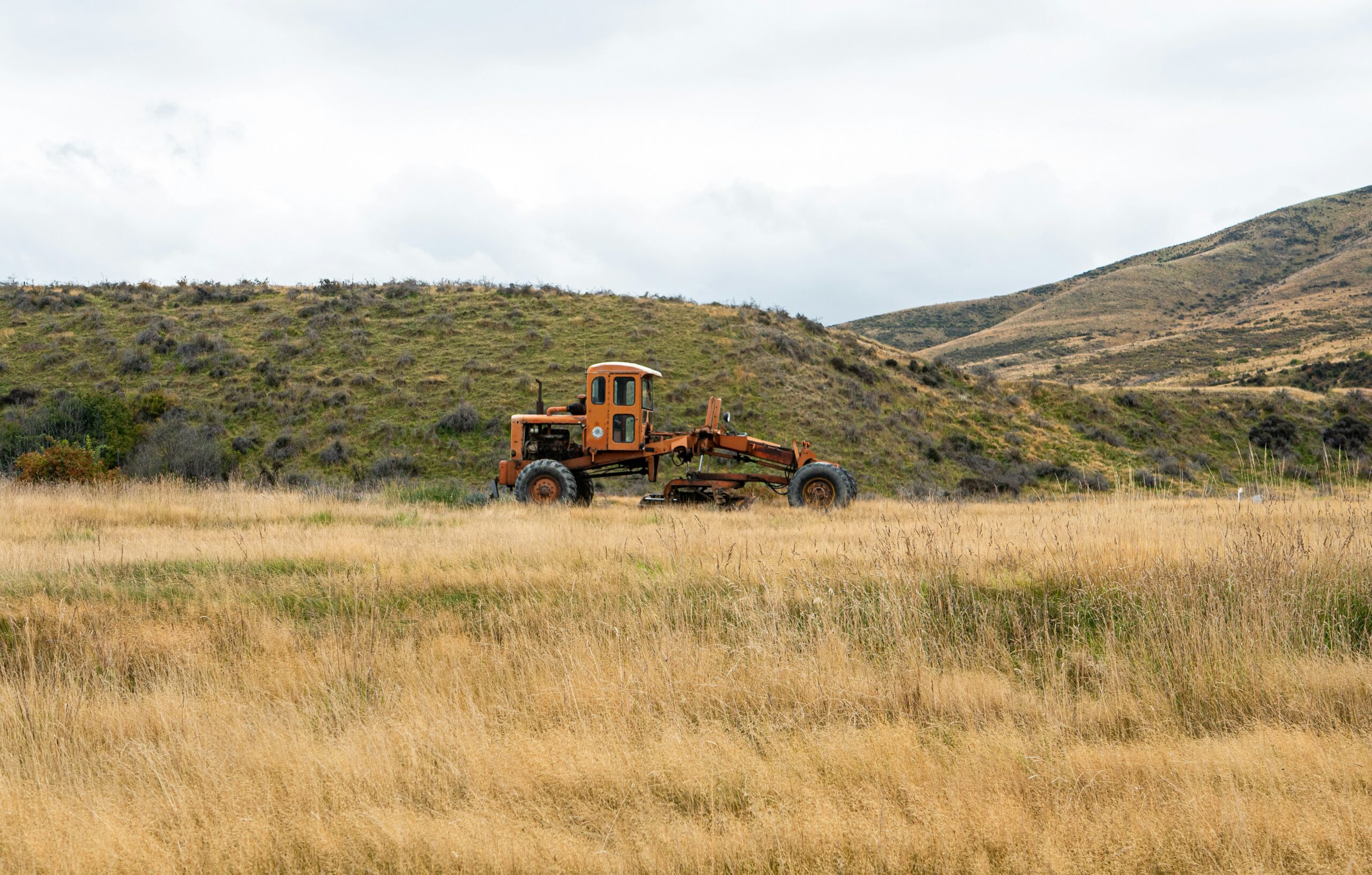
A tidy appearance is a starting point for inspection, not evidence of condition or future reliability.
Used machinery can look excellent in photographs and still leave a buyer with unanswered questions. Paint, presentation and a clean cab tell only part of the story. The service file can help identify what needs closer inspection before the business commits.
Start by matching the records to the actual machine. Model details, identifying numbers and the equipment shown should be consistent. If information does not line up, resolve the difference rather than assuming it is an innocent filing mistake.
Build the history, then test it
Ask for available maintenance records, repair invoices, inspection information and details of significant modifications. A gap in the file is a question to investigate, not proof that the machine is defective—or that nothing happened during that period.
Arrange an independent assessment by someone competent with that type of plant. Agree the scope of the inspection, what it can establish and what remains uncertain. A service history supports the assessment; it does not replace it.
For a construction business, the relevant question is whether the machine is suitable for its intended work. Consider access, transport, attachments, operator capability and support alongside mechanical condition. A sound machine can still be the wrong machine for the jobs being won.
Cost the first months of ownership
Request realistic information about parts availability, servicing support and any work the inspection identifies. Include getting the machine into service, not just getting it into the yard. Check finance, ownership and any security interests through appropriate due diligence before completing a purchase.
Business.govt.nz recommends keeping an asset register. Establishing a clear record at acquisition makes later maintenance, insurance and disposal decisions easier to support. Save the purchase documents and identifying information together, with access for the people who need them.
Do not let an approaching auction deadline turn missing information into assumed certainty. If the available inspection or records cannot support the decision, reflect that uncertainty in the assessment rather than smoothing it away.
A good purchase file records both the attraction of the machine and the questions that were answered. When a business can explain why the equipment fits its work, what condition was established and what costs remain, it is making a considered investment rather than buying a promising photograph.