
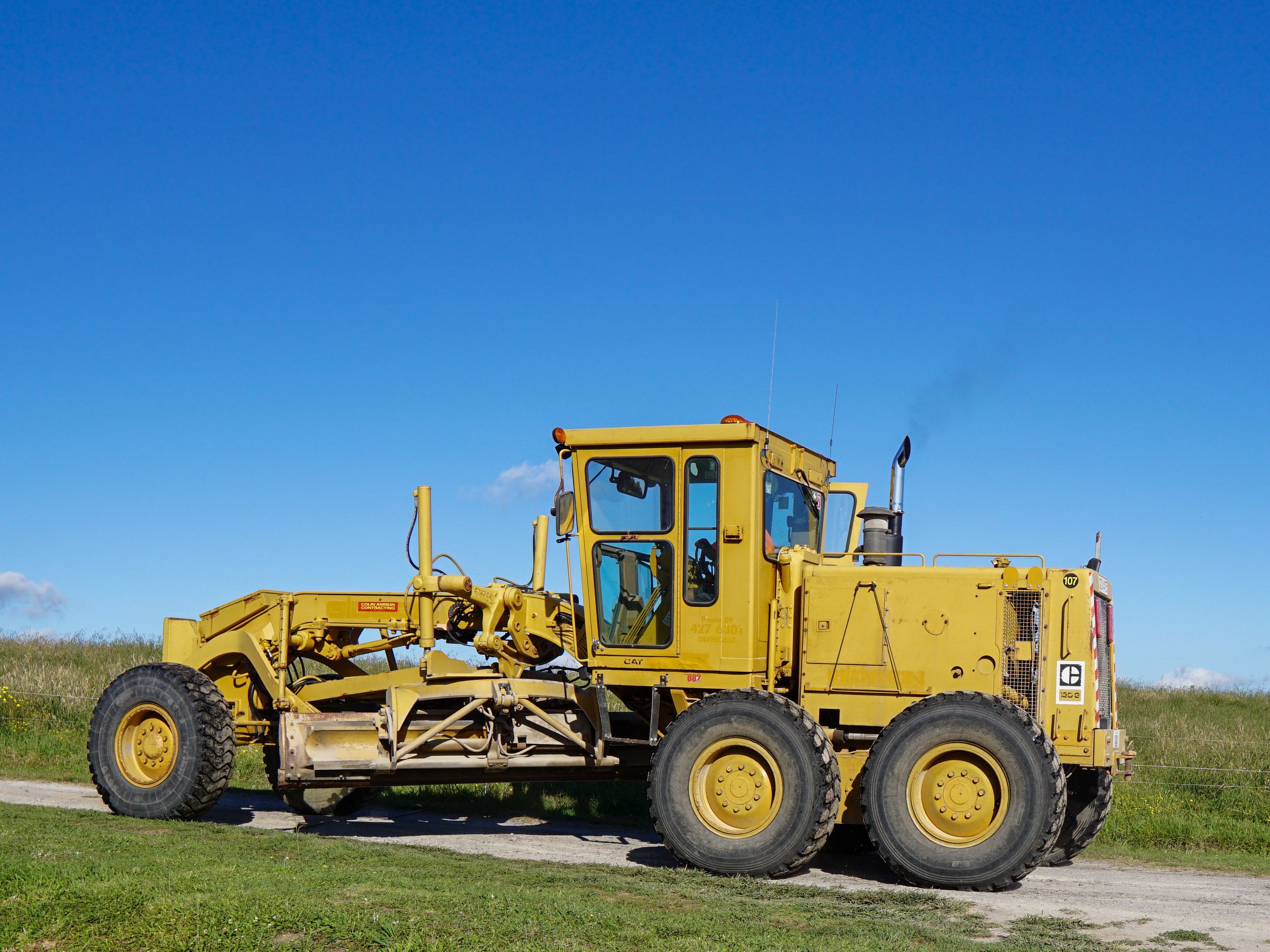
Recording a fault is only useful when the team knows who decides what happens next.
A pre-start form can be completed perfectly while a machinery problem remains unresolved. The operator records a defect, the form is filed and the next person assumes that someone else has dealt with it.
The missing part is the route from observation to action. A check should connect the operator with a clear decision process, not simply produce another saved document.
Define the response before the fault
Use the manufacturer’s instructions and competent advice to establish the relevant checks and operating limits. This article is about administration; it is not a substitute for equipment-specific inspection or servicing requirements.
The operator needs to know how to report a concern, who is available to respond and how unsafe equipment is prevented from returning to use. WorkSafe’s safe-use guidance places importance on competent machinery decisions. A tick in an app should never override a concern about safe operation.
Assign each defect a clear status. “Reported”, “being assessed” and “cleared for return to use” describe different stages. Include the person responsible and the evidence supporting the outcome. Avoid an ambiguous “done” label that could mean only that someone read the report.
Make the handover visible
A replacement operator should be able to see unresolved issues before taking the machine. The same applies when equipment moves between sites or returns from servicing. The system needs to follow the asset, not just the person who first reported the fault.
Where repairs or isolation are required, use the appropriate safe procedures and competent personnel. Do not improvise repairs to keep a booking moving, and do not treat a phone notification as proof that a machine is safe.
Review repeat faults at the equipment meeting. Several minor-looking reports may point to an issue that deserves closer assessment or a change in maintenance planning. The records are useful because they show a pattern, not because they prove that forms were filled in.
A workable process can be small: identify the machine, describe the concern, assign the response and record the authorised outcome. The test is whether the next person can understand the machine’s status without chasing a chain of calls.