
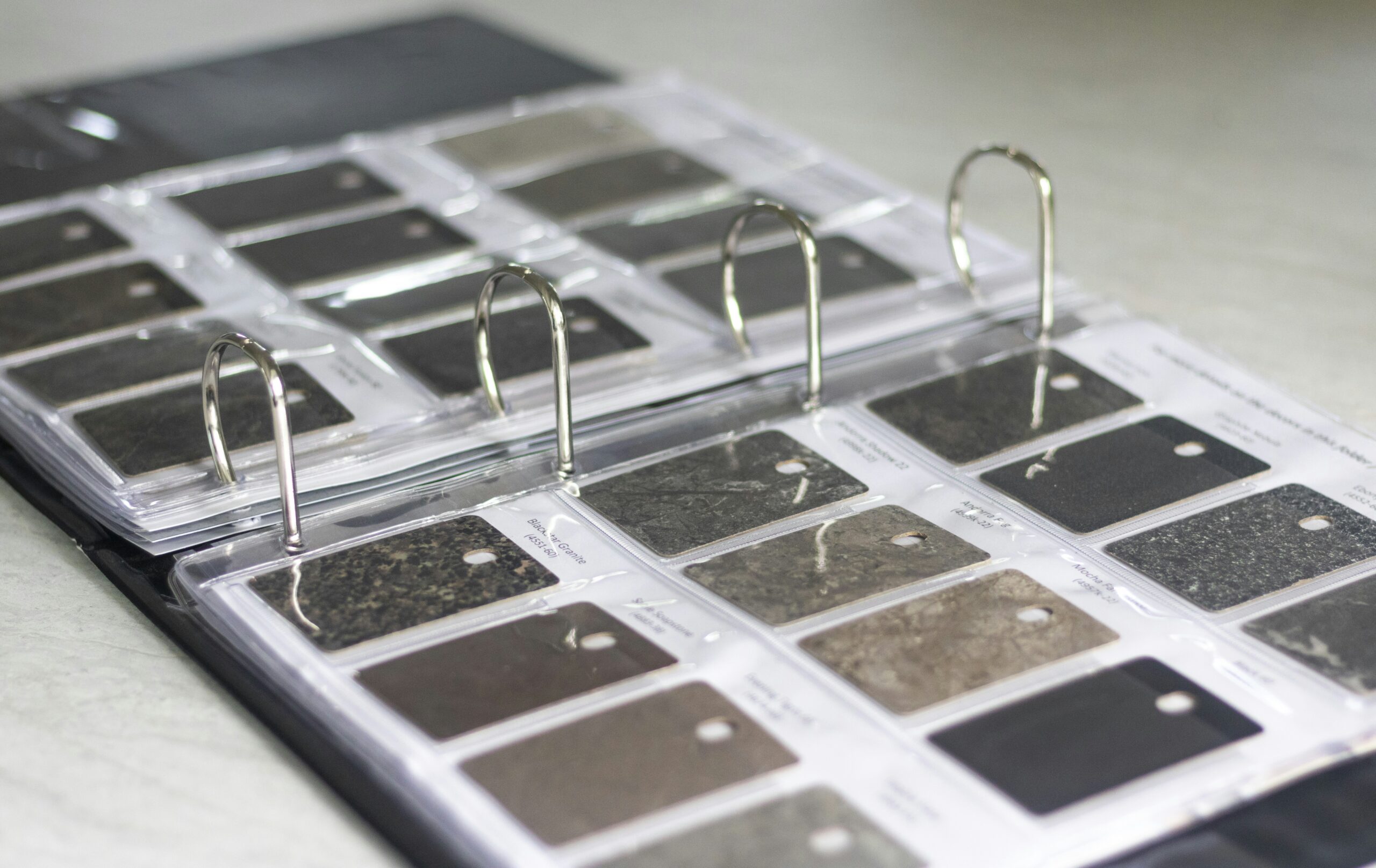
A tiny finish swatch can be a poor guide to a long wall. It may show a colour accurately enough while saying little about joints, texture, corners or the way light catches a completed surface. When those qualities matter to the brief, a project-specific mock-up can make the approval more useful.
Start by deciding what the mock-up needs to resolve. Is the question colour, surface preparation, the meeting of two materials or the appearance of a repeated joint? A sample made without that purpose can become another object on site that nobody is sure how to assess. Give it a location, an agreed scope and a named reviewer.
Choose a representative part of the work. A simple flat area may be insufficient if the finished result includes a reveal, external corner or exposed termination. Where appropriate, include the actual substrate and proposed finish system, following the relevant technical requirements. A visual acceptance does not replace the designer’s assessment of performance or the consent process.
Lighting deserves attention because the room in which a sample is approved may differ from the room where the finish will be seen. Arrange the review in conditions that help the decision-maker understand the intended result. If permanent lighting is not yet available, record that limitation. Avoid describing a temporary viewing arrangement as an exact representation of the finished space.
The approval record should say what was accepted and what remained open. A photograph can help locate the sample, but it may not reproduce colour or texture reliably. Keep the physical reference protected where practical, identify the products used and record any agreed qualification. Later discussions can then refer to the same evidence rather than two different memories.
There is a commercial boundary too. Agree who provides the mock-up, whether it is retained in the work and what happens if a new option is requested. A genuine design revision should not disappear into an assumption that the contractor will keep making alternatives without a decision.
Once production starts, use the accepted reference to support consistent discussion. If the substrate, product or application method changes, ask whether the original sample still represents the proposal. The point is not to turn every finish into a major approval exercise. It is to identify the few decisions that are difficult to reverse and give them a reference large enough to be meaningful.